
Post-Run Recovery Routine: Cooldown That Works
A ten-minute post-run routine from a Liverpool physio: four movements worth doing, two worth skipping, and how to spot a niggle before it becomes an injury.
Practical guides to pain, injury and recovery from a chartered MSK physiotherapist in Liverpool.
Showing 12 of 91 articles
A ten-minute post-run routine from a Liverpool physio: four movements worth doing, two worth skipping, and how to spot a niggle before it becomes an injury.
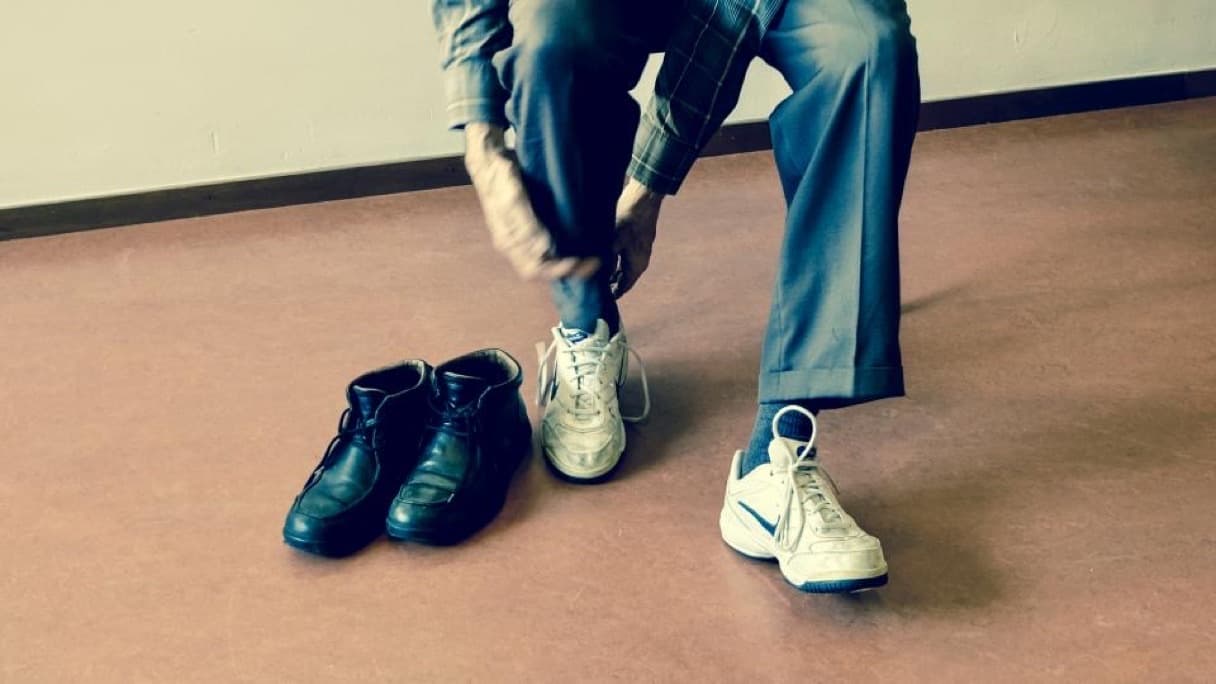
Pain around the kneecap that builds as you run. What patellofemoral pain actually is, why it happens, and the treatment that has evidence behind it.
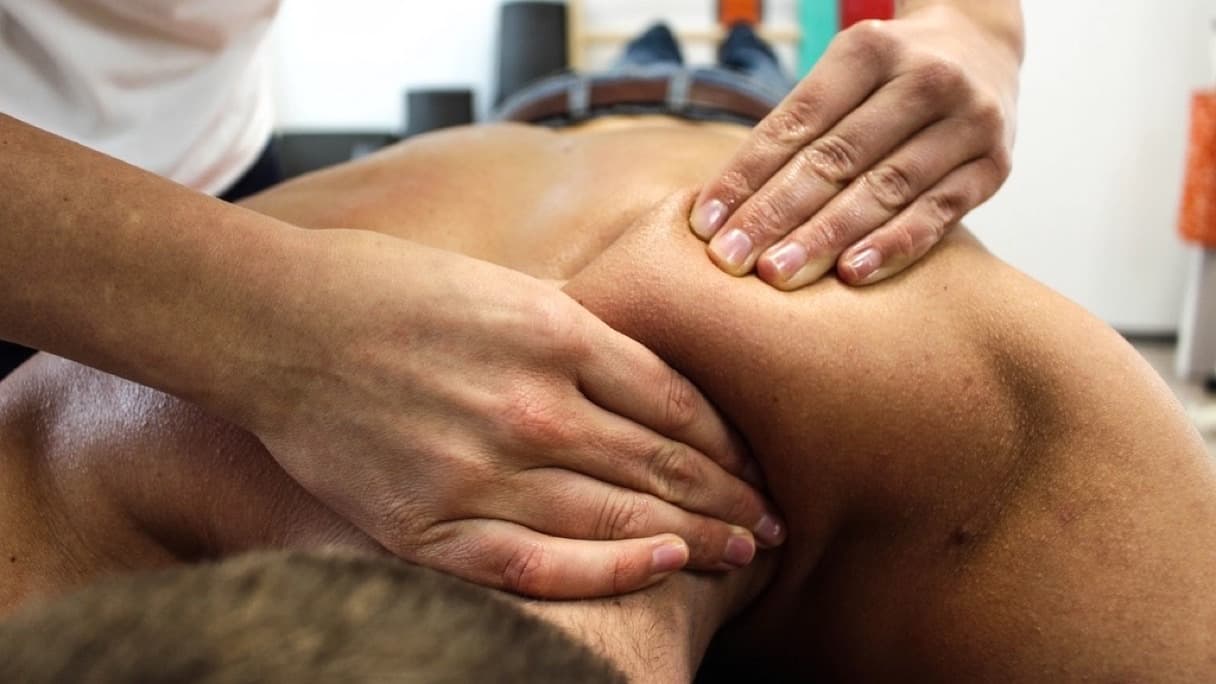
Grinding and crunching when you turn your head is usually harmless. What causes the noise, why it varies week to week, and the symptoms that do need checking.

Getting to a Liverpool clinic from the Wirral is hard when you are in pain. What a home visit involves, who it suits, and when it is not the right answer.
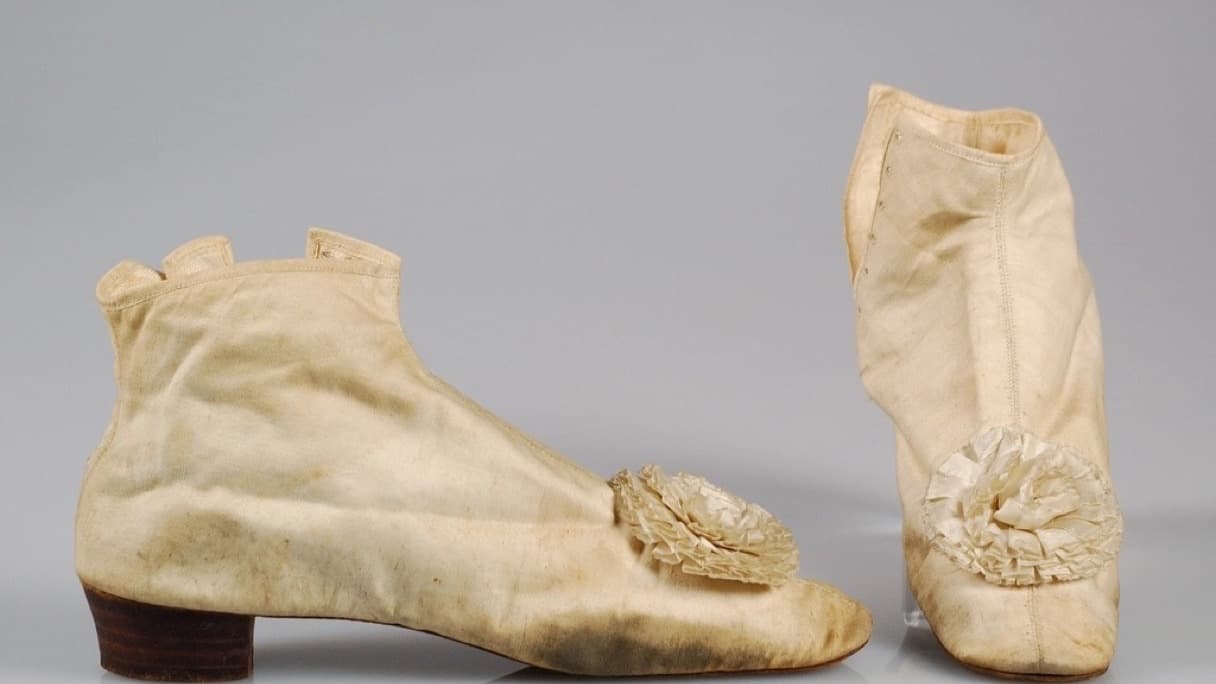
Standing still is harder on your legs than walking. Footwear, compression, calf strength and a ten-minute evening routine for retail and hospitality shifts.
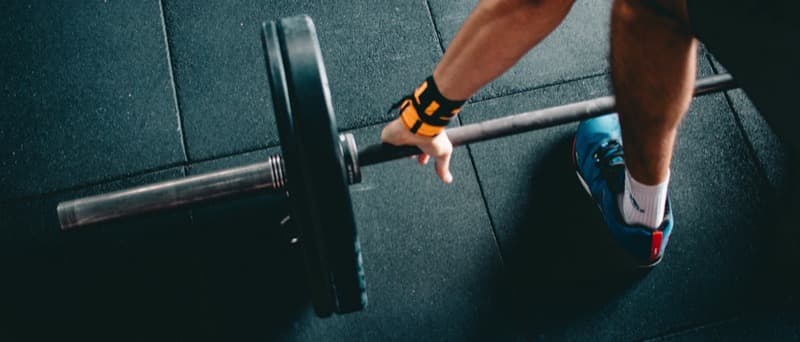
Hands, shoulders and necks take the brunt in boxing and combat sports. Why they break down, the conditioning that protects them, and when to stop training.

Tablets turn the volume down; they do not rebuild anything. Where pain relief genuinely helps recovery, where it masks a problem, and how to use both well.
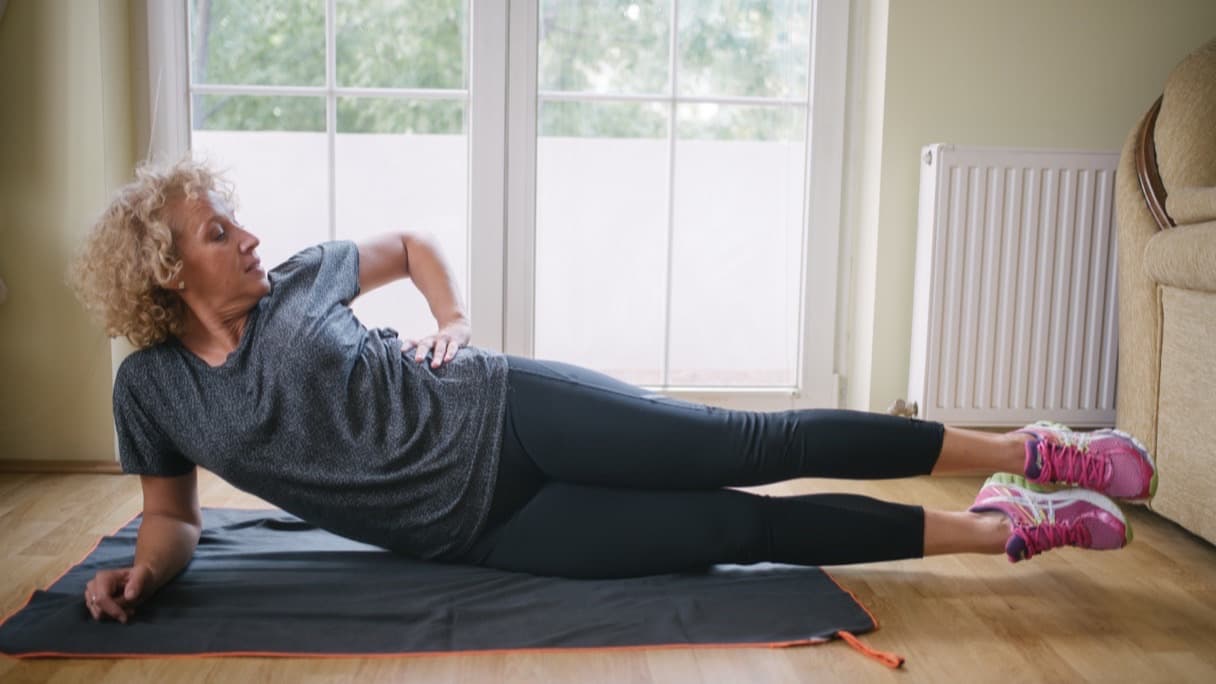
Six gentle yoga-influenced stretches with sets, holds and form cues, plus an honest account of what stretching can and cannot do.

Torn meniscus on a scan does not automatically mean an operation. What the evidence says about surgery versus rehab, and what good knee rehab involves.
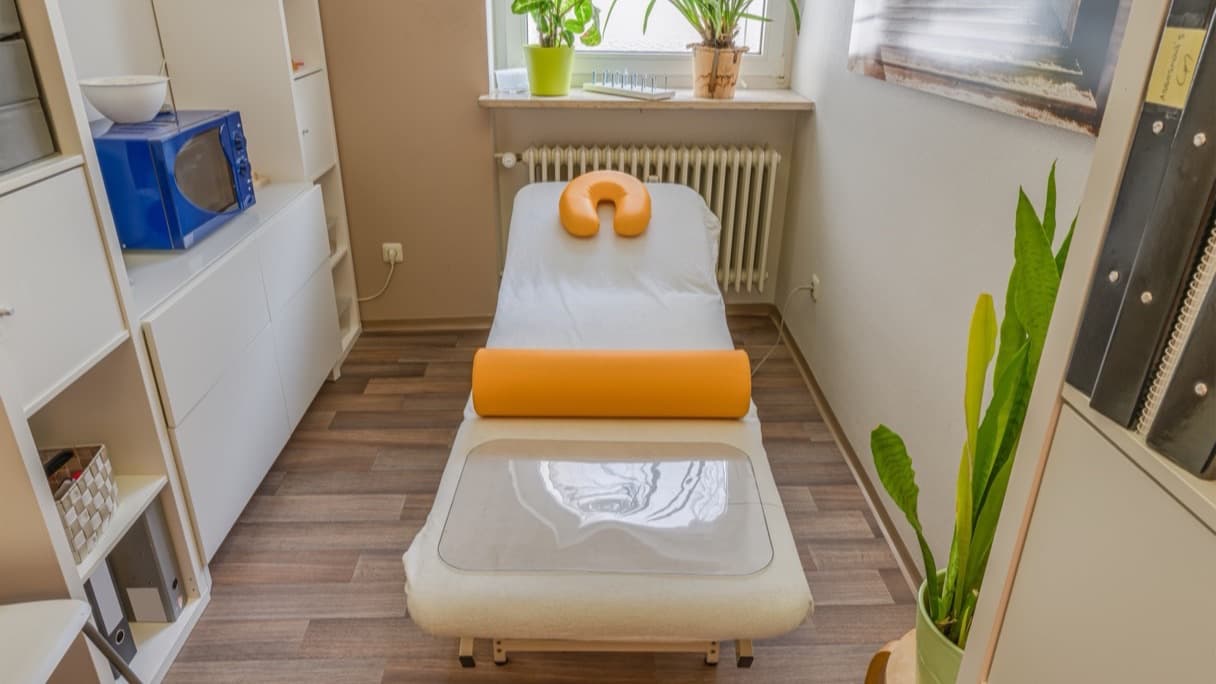
The honest answer is three to six for most problems. Here is what changes that number, signs you are having too many, and the questions to ask.

A physiotherapist's checklist for picking a gym in Liverpool: what actually matters, the red flags, and what matters far less than people think.
The ache between your shoulder blades often comes from loads nobody counts — the toddler on one hip, the big shop, the laptop bag. How to carry smarter.

Common dance injuries across ballet, Latin and street styles — why ankles, hips and backs suffer, and the training that protects them.
Flat feet are a normal variant, not a fault. What insoles actually do, when they genuinely help, and what usually works better.

Six resistance band exercises for the rotator cuff, with sets, reps, form cues and progressions, from a chartered physiotherapist in Liverpool.
What really happens after an ACL tear: how it is diagnosed, whether you need surgery, what rehab involves and where the 9-12 month timeline comes from.

An honest answer to the question everyone asks sheepishly: why the exercises are the treatment, how much pain is acceptable, and how to actually do them.
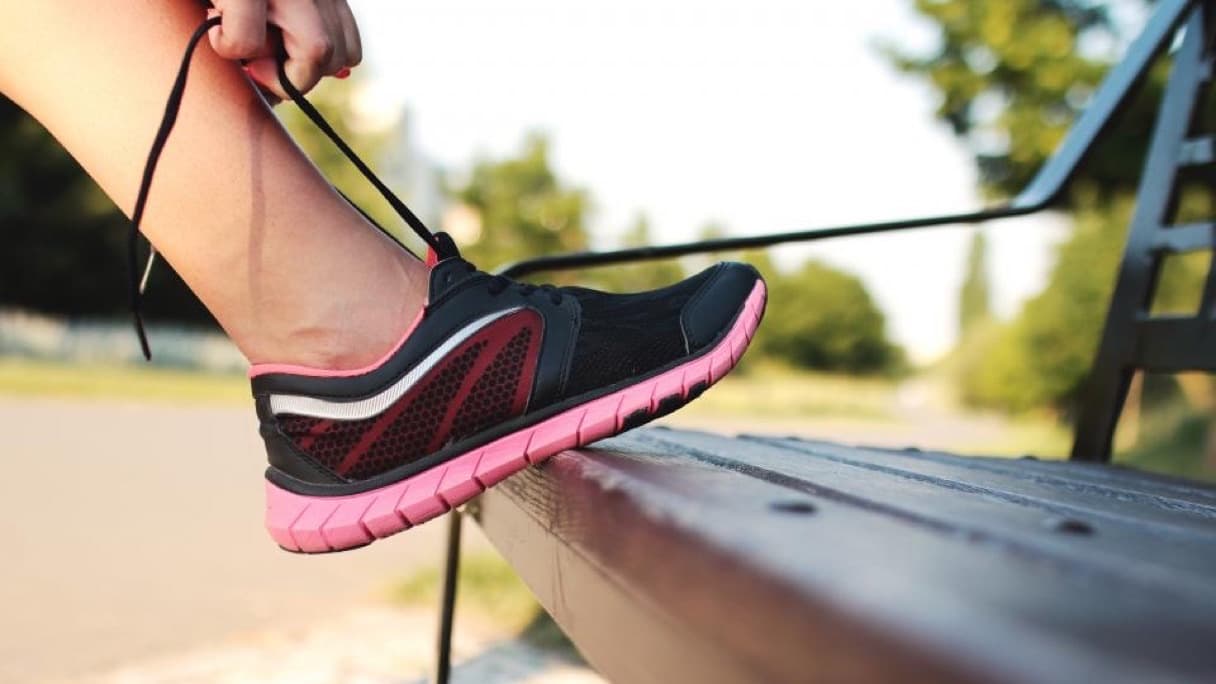
The Sefton Park to Otterspool corridor is a superb rehab resource if you use it properly. Route-by-route guidance for returning runners in Liverpool.

Why stress settles in your neck and shoulders, the loop that keeps it going, and five practical changes you can make this week.
Racing a hard 5k every single week is a time trial, not a training plan. How to manage load so you are still running in twenty years.

Resting an arthritic joint to preserve it is one of the most harmful myths in musculoskeletal health. What the evidence really says, and what to do instead.
A full 12-week Achilles tendon loading programme: six exercises with exact sets, reps and progressions, plus the pain rules that keep you on track.
Knee arthritis is not simply wear and tear waiting for surgery. What it really is, why exercise is the first-line treatment, and what a programme involves.

Stiff for the first few steps after sitting, then fine? That is normal and usually reassuring. Here is why it happens and the one pattern to check.

Flat, forgiving walking routes in Liverpool that suit a sore back, plus how to build your distance up without triggering a flare.
Poor sleep genuinely makes injuries hurt more and heal slower. Five changes worth making this week, plus positioning for specific injuries.
Calves, hamstrings and Achilles tendons take the brunt of veterans football. A Liverpool physio on why, and the weekly routine that keeps you playing.
Discs cannot slip out of place. Here is what actually happens in a disc injury, why the language matters, and what the evidence says about recovery.

A six-exercise, five-minute daily balance routine for older adults, with clear form cues, safe progressions and what else affects steadiness.

Hip osteoarthritis is not a reason to stop moving. What the condition really is, how it feels, what assessment involves and what genuinely helps.
Knee support brace advice from a chartered physio: what sleeves and braces really do, when they help, and when they hold your recovery back.
How private medical insurance, cash plans, the NHS and self-pay compare for physiotherapy, and the five questions to ask your insurer.
Aching joints, stubborn tendons and a shoulder that stiffened from nowhere. Why menopause affects muscles and bones, and what genuinely helps.
Padel is booming and so are padel injuries. The four problems I see most, why the sport catches players out, and how to prevent them.
Does running wear your knees out? What the research actually shows about running and arthritis, and what really causes knee pain in runners.

Five sciatica exercises that calm an irritated nerve, the centralisation rule that tells you if they are working, and the red flags to act on.
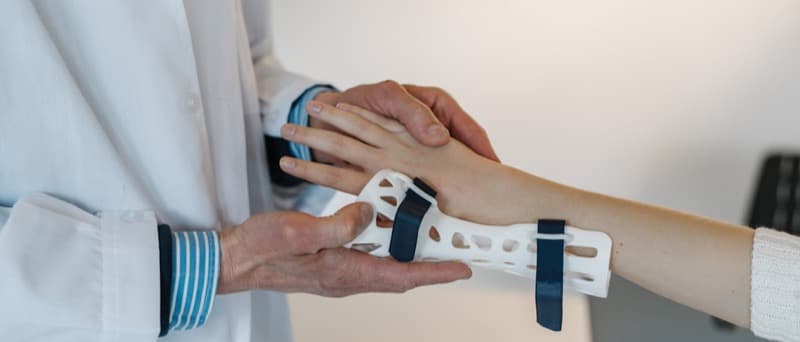
Night-time hand numbness and tingling fingers explained: what carpal tunnel syndrome is, what assessment involves and which treatments work.
Crossing your legs loads the hip in its most demanding position. Where you feel the pain tells you what is actually going on.
What HCPC, MCSP and the rest of the letters after a physiotherapist's name actually mean, which are legally required, and how to verify them in a minute.
Practical back care for nurses, carers and healthcare assistants: five changes you can make this week, plus the red flags.
Why netball and basketball are hard on knees, what actually causes ACL injuries, and the landing technique and warm-up that reduce the risk.
Ice for new injuries, heat for old ones? A physiotherapist explains what cooling and heating really do, and what matters far more than either.

Five hip mobility exercises for stiff mornings, with sets, reps and form cues, plus the stiffness pattern that needs a GP not a stretch.
What golfer's elbow is, why it happens to people who have never played golf, and the loading-based treatment that actually works.
Pins and needles in your hands usually means an irritated nerve — and which fingers tingle tells you where. Causes, treatment and urgent red flags.
You can see a physiotherapist without a GP referral. Here is how NHS and private routes work, and when to see a doctor first.
Practical advice on tradesman joint pain — why knees, shoulders and backs give out on site, and what actually protects a physical career.
Why swimmer's shoulder happens, how to keep training while it settles, and the strength work that stops it coming back.

Slouching does not wreck your back and your spine is not fragile. A physiotherapist unpicks the posture advice most of us grew up with.
Five core stability exercises that beat sit-ups, with sets, reps, form cues and progressions from a chartered physiotherapist in Liverpool.
Most people with tennis elbow have never played tennis. What lateral elbow pain really is, why it happens, and the treatment that actually rebuilds the tendon.

Recurrent ankle sprains are usually a rehab problem, not bad luck. Here is what changes after a sprain and how to fix it.
What private physiotherapy really costs in the UK, what drives the price, when the NHS is the better route, and my own transparent fees.
Why an autumn tidy-up leaves so many people stiff the next morning, and the practical changes that let you garden all weekend without paying for it.
Saddle height, cleats and training load: why most cycling injuries are setup problems, and how to fix yours without creating new ones.
Why resting an injury until the pain goes usually backfires, what the evidence shows instead, and when rest genuinely is the right call.
A staged ankle programme with clear sets, reps and form cues, from the first week after a sprain through balance work to sprinting and cutting.

How rotator cuff problems progress from a niggle to a tear, what assessment involves, and why exercise beats surgery for most.

Aching two days after a workout is usually normal. What DOMS really is, how to tell it apart from a strain, what helps, and the rare warning signs.
How to choose a physiotherapist in Liverpool: registration checks, NHS versus private, the questions to ask, and the red flags to avoid.
Pelvic girdle pain, back ache and carpal tunnel in pregnancy: what physiotherapy can safely treat, and the symptoms that need a midwife.
The four injuries that derail new gym-goers every autumn, why they happen, and how to keep training instead of losing months to a niggle.
The slogan spread because it is memorable, not because it is accurate. What the evidence on sedentary time really shows, and what to change this week.
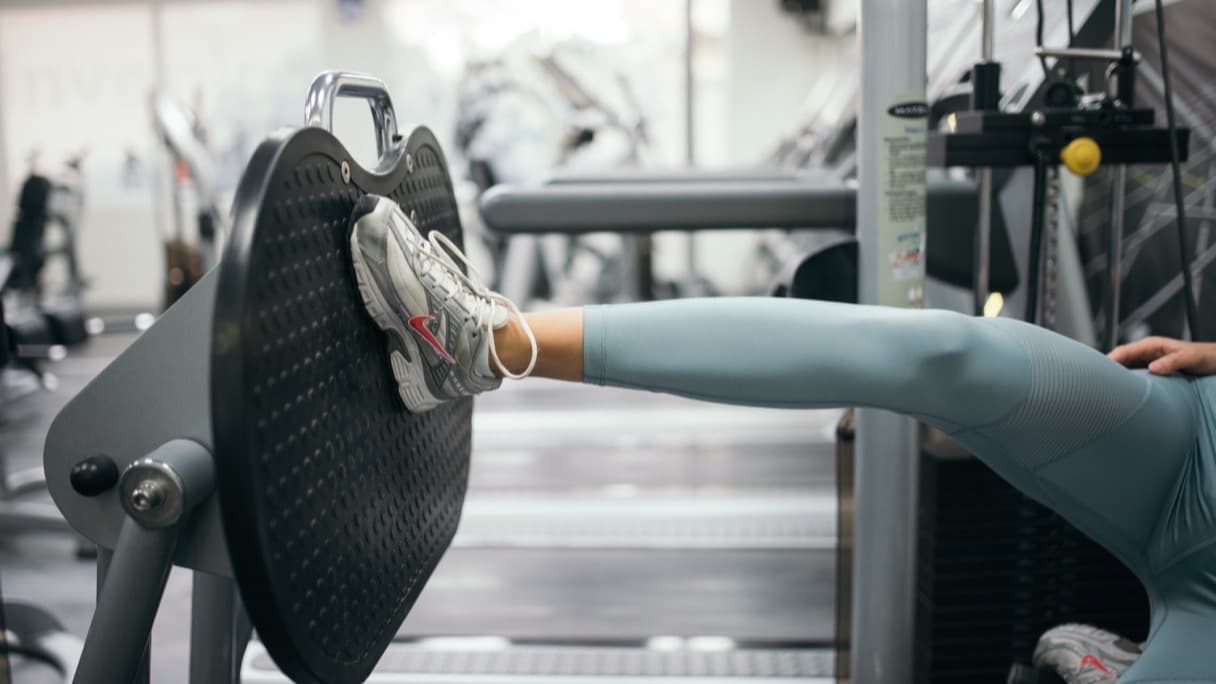
Six knee strengthening exercises with sets, reps and form cues, plus the rules that stop a sore knee flaring up.
The three stages of frozen shoulder, how long each really lasts, and the stage-specific physiotherapy that helps at each point.
An honest comparison of NHS and private physiotherapy from a physio who has worked with both, including what paying does not buy you.
Why lying on a sore shoulder hurts so much more at night, which sleeping positions help, and when shoulder night pain actually needs a doctor.
Feeding, lifting and pram habits that protect your back through the baby years, plus five-minute resets for exhausted new parents.
Low back pain is the most common complaint in golfers. Why the swing loads the spine, where the pain usually comes from, and what genuinely helps.
Does cracking your knuckles cause arthritis? What makes the noise, what the evidence shows, and which clicks actually matter.
A physiotherapist-designed four-week shoulder programme: five exercises, exact sets and reps, form cues and how to progress safely.
Most pulled muscles heal in two to six weeks. A Liverpool physio explains what changes that timeline and how to avoid the classic re-injury trap.
What causes neck pain and stiffness, what a physiotherapy assessment involves, the treatments that actually work, and the red flags to act on.

Does video physio really work? An honest look at what an online appointment can and cannot do for a musculoskeletal problem.
Lifting all shift? Evidence-based manual handling habits, strength work and recovery strategies that protect your back in the real world.
Most marathon injuries trace back to a decision made weeks earlier. The classic breakdown points, the load errors behind them, and what to do about a niggle.
Why an MRI usually is not the answer for back pain, what scans really show, and the warning signs that do need urgent imaging.

A six-minute daily neck mobility routine for desk workers — six exercises with sets, reps and form cues, plus when neck pain needs assessing.
What sciatica really is, why leg pain so often starts in the back, and the evidence-based treatment that helps, from a Liverpool physio.
Painless clicking knees on stairs are usually harmless. A Liverpool physio explains the causes and the warning signs that do need checking.
How a home visit physio appointment works: what I bring, what you need to have ready, who it suits best, and where it has honest limits.
How to set your car seat up, break up long drives and build a back that shrugs off the commute, from a Liverpool chartered physiotherapist.
Couch to 5K cannot know anything about your body. Here is how to adapt it, which niggles are normal, and when to stop and get assessed.
Five physio-approved back pain exercises you can do at home, with sets, reps and form cues from a Liverpool chartered physiotherapist.
Why 'no pain, no gain' wrecks rehab, and the simple pain-scale rule a Liverpool physio uses to get the loading right instead.
What lower back pain actually is, what causes it, the red flags that need a doctor, and the treatment that genuinely works.
Morning back pain is usually stiffness, not damage. Here is why it happens, the pattern that means something different, and what helps in the first 20 minutes.
Pre-season fills my diary with the same five football injuries every August. What causes them, what actually prevents them, and when to worry.
A chartered physio in Liverpool explains exactly what happens at your first physiotherapy appointment - no GP referral needed, no mystery.
A physio's twenty-minute home-office checklist: chair, screen, keyboard and the movement habits that matter more than the furniture.
First Contact Physiotherapists are changing how musculoskeletal conditions are managed in primary care. Learn what an FCP does and how this expertise benefits patients across Liverpool and Merseyside.
Learn more about my services and the conditions I treat.

Book a home visit or online consultation — no referral needed, evenings and weekends included.