Knee Strengthening Without Aggravating Pain
7 min read
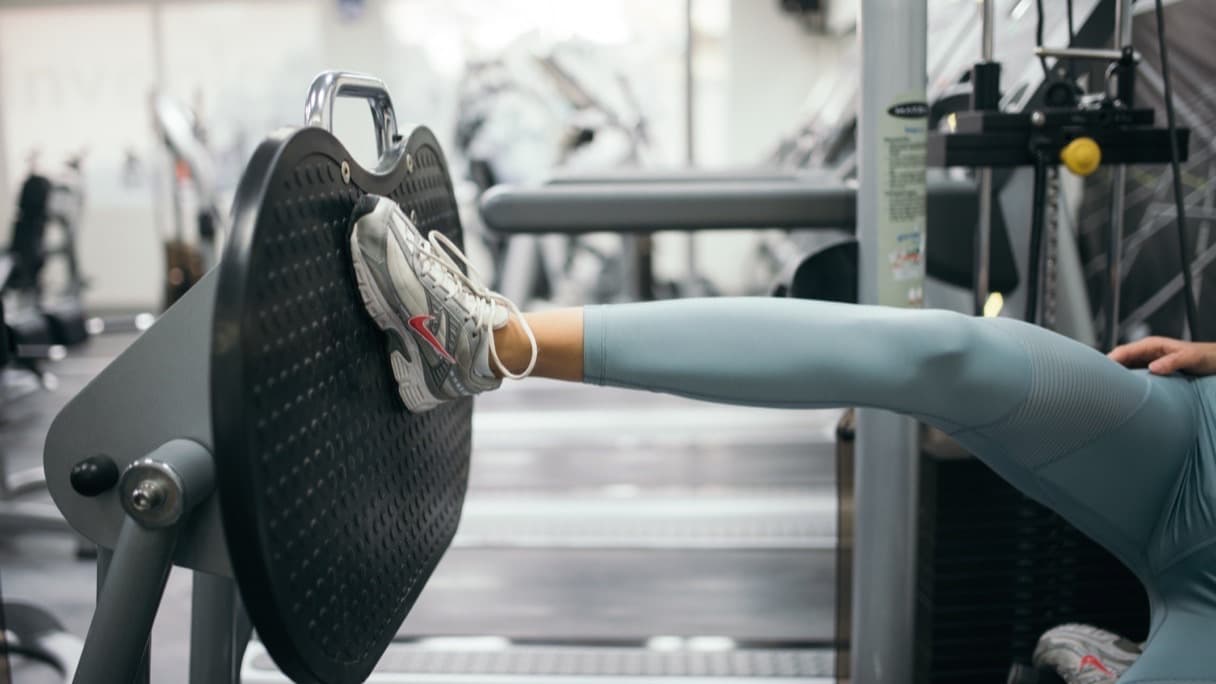
The most common thing people say to me about their knees is some version of "I know I should strengthen it, but every time I try, it hurts more." It is easily the most frequent conversation I have in front rooms across Liverpool, and it is a reasonable place to get stuck. Squats hurt, lunges hurt, the stairs already hurt, so the whole project feels doomed before it starts. The good news is that there are plenty of knee strengthening exercises that build genuine capacity without lighting the joint up, and that is where nearly all of my patients begin.
Why strengthening a painful knee is worth the effort
Whether the diagnosis is patellofemoral pain, early osteoarthritis or a knee that has simply been avoided for years, the underlying issue is usually the same: the muscles around the joint are not strong enough for what you ask of them. Weak quadriceps and glutes mean more load passing through irritable structures with every step.
Research consistently supports exercise as a first-line treatment for most knee pain, and NICE guidance recommends it as a core treatment for knee osteoarthritis — not a last resort before injections or surgery. Strength work also does something medication cannot: it changes what your knee can tolerate.
The rules that keep it comfortable
Before the exercises, four principles that matter more than the exercise selection itself.
- Some discomfort is allowed. Aim to keep pain at or below about 3 out of 10 during the exercise. Mild ache is fine.
- It must settle by the next day. If your knee is noticeably worse 24 hours later, the session was too much. Reduce the range, the reps or the load next time — do not abandon the programme.
- Stop on sharp pain. Sharp, catching, locking or giving-way sensations mean stop and get assessed.
- Reduce range before reducing effort. Most knees hurt in a specific part of the range, usually deeper bend. Working in a shallower range with the same effort is nearly always better than working lighter through a painful range.

The exercises
Work through these three to four times a week. The whole set takes about twenty minutes.
1. Isometric quads (inner range quads)
Sit on the floor with your leg straight and a rolled towel under your knee. Press the back of your knee down into the towel, tightening your thigh and lifting your heel slightly. Hold for 30 to 45 seconds, 5 repetitions, 30 seconds rest between.
Form cue: your kneecap should visibly glide upwards as the muscle tightens. Keep breathing.
Why this first: sustained isometric holds are well tolerated by irritable knees and often ease pain for a while afterwards, making the rest of the session easier. Progression: move to a wall sit, gradually deeper as it becomes comfortable.
2. Straight leg raise
Lying on your back, bend the good knee with the foot flat, keep the target leg straight. Tighten the thigh, then lift the whole straight leg to about the height of the opposite knee. Lower with control over three seconds. 3 sets of 10 to 12.
Form cue: the knee must stay locked straight throughout. If it sags, you are training the hip flexor instead of the quads.
Progression: add a light ankle weight, starting around 1kg. Safety note: if this reproduces low back pain, press your lower back gently into the floor before each lift.
3. Sit to stand
From a dining chair, feet hip-width apart, stand up without using your hands, then lower yourself back down over three slow seconds. 3 sets of 8 to 10.
Form cue: the slow lowering is the valuable part — most people drop into the chair and waste it. Keep your knees tracking over your middle toes rather than falling inwards.
Regression if painful: use a higher surface, such as a bed or a cushion on the chair, or push through your hands. Progression: lower the chair height, hold a weight at your chest, then move towards single-leg sit to stands.
4. Step-ups
Use the bottom step of your stairs. Step up leading with the painful leg, bring the other foot to meet it, then step down leading with the good leg. 3 sets of 8 to 10 each side.
Form cue: drive through the whole foot of the standing leg, not the toes, and avoid pushing off the trailing foot. Watch that your knee does not collapse inwards.
Progression: a higher step, then a controlled step-down (lowering under control leading with the painful leg is considerably harder and is the version that transfers to descending stairs and hills).
5. Side-lying hip abduction
Lie on your side, legs stacked, bottom knee bent for stability. Keeping the top leg straight and slightly behind the line of your body, lift it towards the ceiling to about 30 degrees, then lower slowly. 3 sets of 12 to 15 each side.
Form cue: do not let your hips roll backwards — the movement is much smaller than people expect when done correctly.
Why it matters: the gluteal muscles control how your thigh rotates and how your knee tracks. Strengthening them frequently settles knee pain even though nothing is happening at the knee itself. Progression: add a resistance band above the knees.
6. Calf raises
Stand at a worktop for balance, rise onto your toes, hold for one second, lower over three seconds. 3 sets of 12 to 15.
Form cue: keep your weight even across the ball of the foot rather than rolling to the outside. Progression: single-leg calf raises, then off the edge of a step for a fuller range.
Building it into your week
Start with two sessions a week if your knee is irritable and build to four. Add a daily walk — the parks around Merseyside are pleasant in early September and flat routes are ideal while you build tolerance for hills.
Progress by roughly ten per cent a week, and change one variable at a time: more reps, or more load, or a harder version, never all three at once. Expect meaningful change over eight to twelve weeks rather than days. Strength genuinely takes that long, and the people who stick with it are the ones who get their stairs and their hill walks back.
When to get it looked at
See a physiotherapist if your knee has not improved after six weeks of consistent work, if it swells regularly, or if you are unsure which condition you are dealing with — the right emphasis differs quite a bit between, say, patellofemoral pain and osteoarthritis.
Seek urgent medical attention if your knee is hot, red and swollen with feeling unwell or feverish, if you cannot bear weight at all after an injury, or if the joint is visibly deformed.
For a programme built around your specific knee rather than a general article, read more about knee pain and how I approach musculoskeletal physiotherapy, or if you cannot easily travel, home visit physiotherapy brings the assessment to you.
Book at /portal/book or call me on +44 7443 357020. Home visits across Liverpool and Merseyside at £90 a session, online video consultations UK-wide at £60, evenings Monday to Friday, plus Saturday and Sunday daytimes. No GP referral needed.