How Long Does a Pulled Muscle Take to Heal?
5 min read
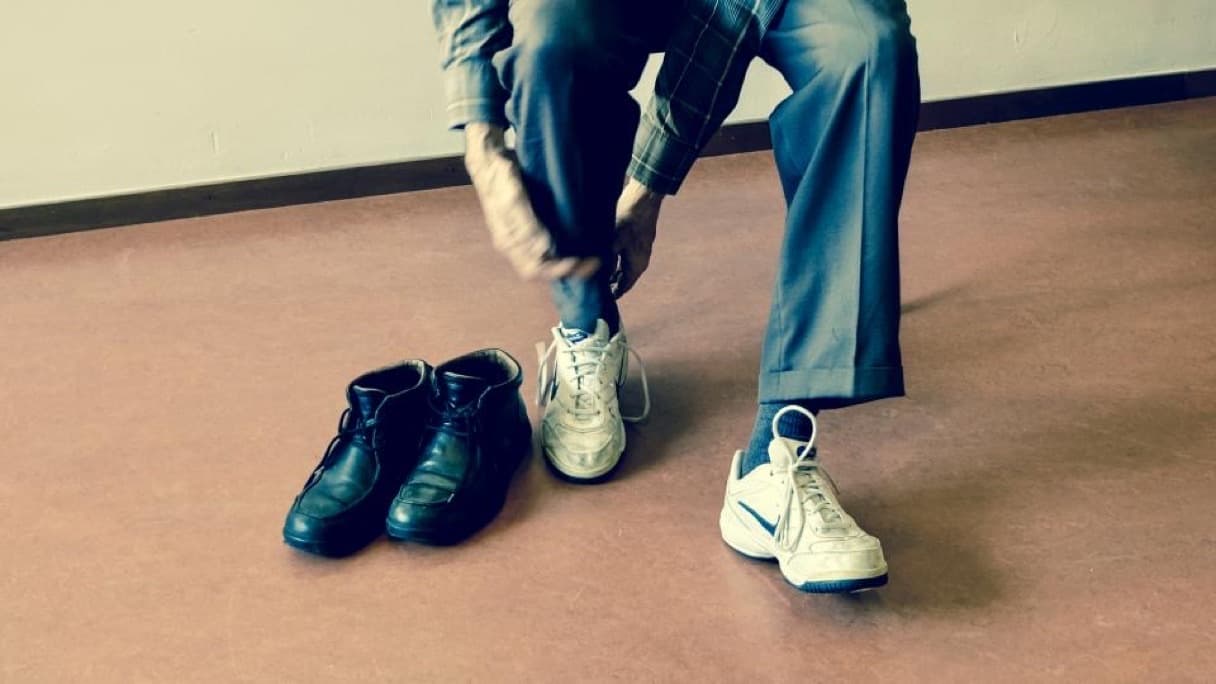
Here is the plain answer first: most pulled muscles heal within two to six weeks. A mild strain often settles in one to three weeks, a moderate tear typically needs four to eight, and a severe tear can take three months or longer. If you want a single honest rule about pulled muscle healing time, it is this: the tissue usually heals on schedule, but being genuinely ready for sport takes longer than being pain-free, and that gap is where most people go wrong.
Now the useful detail, because your calf, hamstring or shoulder did not read the textbook.
What actually happens when you pull a muscle
A "pulled" muscle is a strain: some of the muscle fibres have been overstretched or torn, usually while working hard at length, which is why sprinting, lunging for a ball or slipping on wet grass are classic mechanisms. I see waves of them every season across Liverpool, from five-a-side players in Wavertree to parkrunners at Princes Park.
We grade strains to set expectations:
- Grade 1: a few fibres affected. Twinge and tightness, little or no bruising. Usually one to three weeks.
- Grade 2: a partial tear. Sharp pain at the time, swelling, often bruising a day or two later, pain on stretching and on contracting the muscle. Usually four to eight weeks.
- Grade 3: a complete or near-complete tear, sometimes with a palpable gap and dramatic bruising. Three months or more, and occasionally a surgical opinion is needed.
Healing also varies by muscle. Calves and hamstrings are notorious for lingering because they work hard every single step; a strained forearm gets more rest by default.
What speeds healing up
The first few days are about protecting the injury: relative rest, avoiding painful stretching, gentle movement within comfort, and ice if it helps your pain. After that, the single most evidence-backed accelerator is progressive loading. Muscle heals in response to demand; scar tissue laid down in the first weeks is remodelled and strengthened by gradually harder exercise. Research consistently shows that early, graded rehabilitation returns people to sport sooner than rest followed by a sudden comeback.
In practice that means a staircase: pain-free daily movement first, then controlled strengthening through range, then heavier and faster work, then sport-specific drills before full training. Each step earns the next. This staircase is exactly what I build with patients in my sports injury rehabilitation programmes.
Sleep, protein intake and not smoking all quietly help too. Nothing exotic; biology rewards the boring fundamentals.
What slows it down
- Complete rest for weeks. The muscle heals weak, short and unprepared.
- Stretching aggressively in the first days. You are pulling on the very fibres trying to knit together.
- Returning at the first pain-free day. Pain settles before strength returns; this is the re-injury window, and hamstrings in particular punish impatience.
- Repeated "testing it" with sprints before the muscle has been rebuilt with strength work.
- Ignoring the reason it happened, whether that is a training spike, fatigue, or long-standing weakness elsewhere in the chain.
Pain-free is not the same as match-fit
This deserves its own section because it is the question behind the question. When patients in Liverpool ask me how long a pulled muscle takes to heal, they usually mean "when can I play again?" The tissue may be structurally fine at four weeks, while the muscle is still measurably weaker, slower and less tolerant of fatigue than its partner on the other side. Returning then is why the same hamstring goes twice in a season.
Before full sport, I want to see comfortable single-leg strength close to the uninjured side, pain-free running progressing to sprinting, and confidence in the movements that caused the injury. For a footballer or netballer that means cutting and accelerating; for a runner it means hills and speed work reintroduced gradually.
When to get it looked at
See a physiotherapist promptly if you heard a pop with immediate loss of function, there is a visible gap or dramatic bruising, you cannot walk without significant pain after 48 hours, or a seemingly mild strain is not clearly improving after two weeks. And seek urgent medical care the same day if the limb becomes very swollen, tense and disproportionately painful, if you have calf pain with heat and swelling that appeared without injury (a possible clot needs ruling out), or if numbness or coldness develops below the injury.
An assessment does two things: confirms the grade so your timeline is realistic, and gives you a plan so the weeks pass productively instead of anxiously. As a sports injury physio covering Liverpool and Merseyside, I can assess you at home or via video, grade the injury, and map the staircase back to the sport you love.
If a pulled muscle is keeping you off the pitch, the path or the dance floor, book an appointment at /portal/book or call +44 7553 370300. Home visits across Liverpool and Merseyside, online consultations UK-wide, evenings Monday to Friday, plus Saturday and Sunday daytimes, no GP referral needed.