Sefton Park to Otterspool: Rehab-Friendly Runs
7 min read
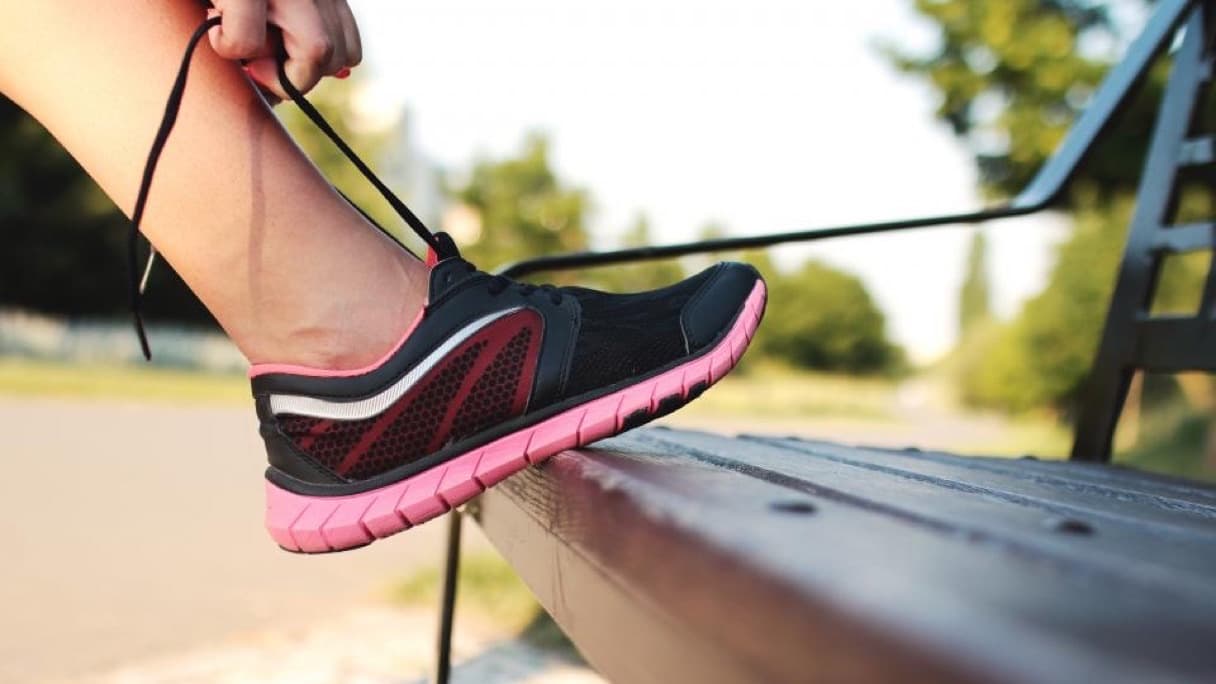
Coming back to running after an injury is as much a route-planning problem as a physiotherapy one. Most of the setbacks I see are not caused by the exercises being wrong. They happen because someone did their first run back on a hilly, uneven, three-mile loop with no way of cutting it short, felt reasonably fine at the time, and could not walk properly two days later.
So this is a practical piece about running routes in Liverpool, written from the point of view of what a healing tendon or an irritable knee actually needs. The corridor from Sefton Park down to the Mersey happens to be an unusually good rehab resource, and it is worth knowing how to use it properly.
What makes a route rehab-friendly
Four things, in roughly this order of importance.
Bail-out options. Early in a return to running you want to be able to stop at any moment without a long walk home. Loops close to your car, or short out-and-backs, beat point-to-point adventures every time.
Predictable surface. Even, consistent ground lets you control your load. Ankles, Achilles tendons and knees returning from injury do not want surprises, and mid-October pavements in Merseyside are covered in wet leaves that hide exactly the sort of uneven edge you do not need.
Gradient you have chosen deliberately. Downhill running loads the quadriceps and knees heavily through eccentric braking. Uphill running loads calves, Achilles and hips. Neither is bad — but running a hill by accident in week two is a common way to flare something.
Lighting and company, which matter more from now until spring than at any other time of year.
Sefton Park: the sensible starting point
If I could send every returning runner in the south of the city to one place, it would be Sefton Park. The outer carriage path is a wide, well-surfaced loop of roughly three kilometres, gently undulating rather than genuinely hilly, and — most usefully — it passes close to several exits and the boating lake, so you are never more than a few minutes from stopping.
For a first run back, do not run a lap. Do walk-run intervals around a portion of it: one minute of easy running, two minutes of walking, repeated eight to ten times. It will feel absurdly easy. That is the point. The tissue that failed last time needs repeated small exposures, not a test of willpower.
The park also has a Saturday parkrun, which is a genuinely good thing to build towards, though I would ask you to treat your first few as training runs rather than time trials. The temptation to race is very hard to resist once there is a clock involved.
The descent to Otterspool, and its catch
The green corridor running from Sefton Park down through Otterspool Park to the river is one of the nicest stretches of running in the city, and it comes with a specific trap: it is downhill on the way out and uphill on the way back.
That matters for rehab. If you are returning from patellofemoral pain, a quadriceps or hamstring problem, or anything involving the front of the knee, the downhill section is the harder half despite feeling easier. Downhill running increases impact loading and braking demand considerably. If you are returning from an Achilles or calf problem, the climb back up is the section to be careful with.
My usual advice is to run this corridor in one direction and walk the other, at least for the first month. Walk down, run back up if your calves are healthy; run down cautiously and walk back if they are not. You can read more about the knee side of that on my page on knee pain.
Otterspool Promenade: flat, but not neutral
The promenade along the Mersey is the flattest, most predictable running surface in this part of the city, and it is excellent for controlled rehab mileage. It is an out-and-back by nature, which means you can turn round the moment anything starts to complain — exactly the property you want.
Two honest caveats. First, it is completely exposed. A westerly off the Mersey in late October will add real effort to one direction of your run without you noticing you are working harder, and the return leg into the wind can be brutal after a headwind-assisted outward mile. Plan to run out into the wind and back with it, not the reverse. Second, it can be relentless. Long, flat, uninterrupted running encourages a very repetitive stride pattern, which is not always ideal for tissue that is sensitive to repetition. Break longer efforts into segments with short walks.
Other options worth knowing
The Liverpool Loop Line. A traffic-free former railway path, largely flat with a consistent surface and no road crossings to speak of. It is the best option around for someone who needs to remove all variability from their running.
Calderstones Park. Smaller, softer underfoot in places, and well lit around parts of the perimeter. A good winter alternative when the light goes.
Princes Park. A short loop, which sounds like a limitation but is ideal for early rehab — you can build volume in small, repeatable bites and stop whenever you choose.
The waterfront north towards the docks. Flat, scenic and busy. Better for steady running than for anything requiring concentration on footing.
How to structure the comeback
Whatever route you choose, the progression matters more than the scenery.
Run every other day at first, not daily. Tendons and bone adapt on the rest day, not the running day. Increase one variable at a time — either how long you run or how hard, never both in the same week — and keep weekly increases modest; ten to fifteen per cent is a reasonable ceiling.
Use a simple pain rule: discomfort up to about three out of ten during the run is acceptable, provided it does not worsen as you go and is back to your normal baseline within twenty-four hours. If it is still elevated the next morning, the last run was too much. Reduce, do not stop.
And keep strength work going. Runners returning from injury who abandon their calf raises, single-leg work and hip strengthening the moment they start running again are the ones I tend to see for a second time. Two sessions a week alongside the running is the minimum I would want.
When to get it assessed
If pain is sharp, localised to one point on a bone, worse with hopping, or waking you at night, stop running and get it looked at — that pattern can indicate a bone stress injury, which does not respond to running through it. Likewise get urgent medical advice for a sudden severe calf pain with swelling, redness or breathlessness.
Otherwise, if you have tried to come back twice and been beaten twice, the problem is usually the plan rather than your resilience. A sports injury assessment in Liverpool plus a structured rehabilitation programme will give you a progression built around your actual tissue tolerance and the routes you will really be running.
Book at /portal/book or call me on +44 7553 370300. Home visits £90 per session across Liverpool and Merseyside, online consultations £60 UK-wide, evenings Monday to Friday, plus Saturday and Sunday daytimes, no GP referral needed.