Neck Pain and Stiffness: A Physiotherapist's Guide
7 min read
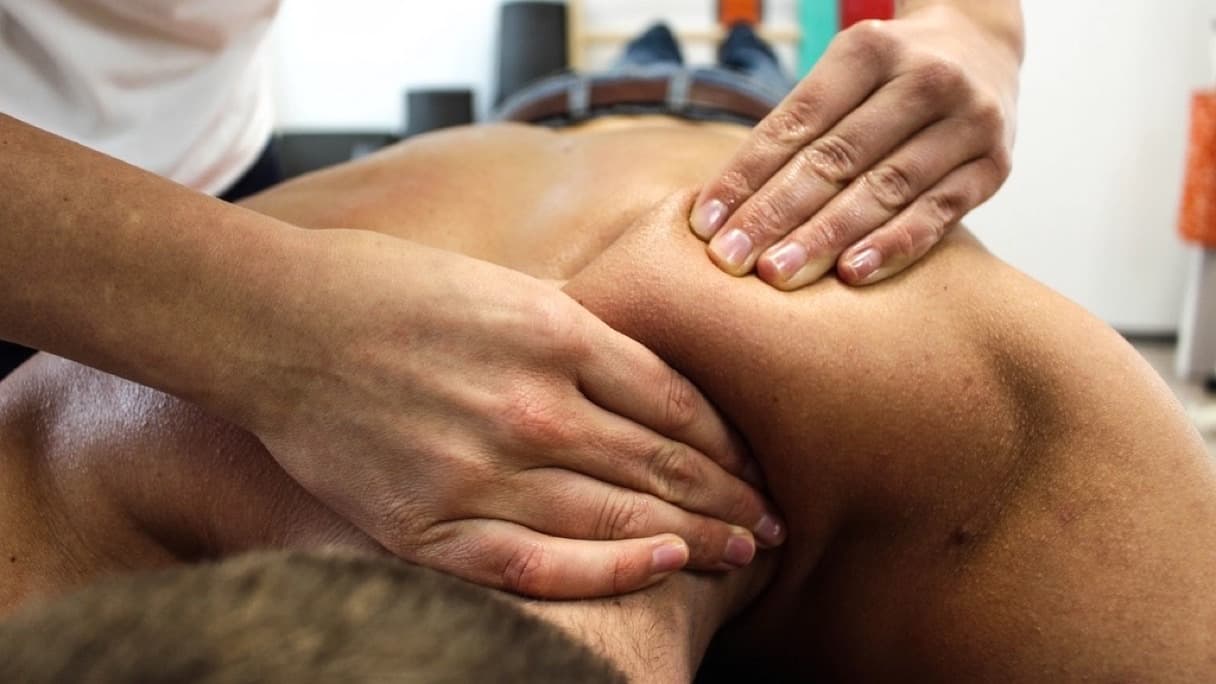
Neck pain is one of the most common problems people contact me about, and one of the most unsettling to live with. Your neck holds your head up, houses the top of the spinal cord and sends nerves down both arms, so when it hurts or seizes up, it is very easy to assume something serious has gone wrong. The reassuring reality is that the overwhelming majority of neck pain is mechanical. It comes from the joints, muscles and soft tissues of the neck itself, and it responds well to movement, sensible loading and a bit of patience.
This is a plain guide to what neck pain actually is, what tends to bring it on, what a proper assessment involves and what genuinely helps. If you are weighing up whether to see a neck pain physio in Liverpool, it should also tell you what to expect before you book anything.
What we actually mean by neck pain
Neck pain covers a lot of ground. Most of it falls into a category clinicians call non-specific neck pain. That sounds dismissive, but it simply means the pain cannot be pinned to one single damaged structure, and, importantly, that we do not need to pin it down in order to treat it well.
Typical features include:
- An ache or band of tightness across the back of the neck, often spreading into the tops of the shoulders
- Stiffness turning your head, usually worse to one side, so that checking a blind spot becomes the daily test of how you are doing
- Pain that builds after long static positions and eases with gentle movement
- Headaches that start at the base of the skull and creep forward over the head, known as cervicogenic headaches
A second pattern involves nerve irritation. When a nerve root in the neck is irritated or compressed, pain can travel down the arm in a fairly defined line, sometimes with pins and needles, numbness or weakness in a specific muscle group. This is often called cervical radiculopathy. It is more uncomfortable, and more alarming, but in most cases it still settles with time and conservative treatment.
Then there is acute wry neck, sometimes called torticollis. You wake up, your neck is locked to one side and turning it feels impossible. It is dramatic and painful, and it usually resolves over days to a couple of weeks with gentle movement.
Why it happens
It is rarely one thing. The factors I see stacking up most often are:
Sustained position. Long unbroken stretches at a laptop, on a phone or behind the wheel. The problem is duration far more than the exact shape you sit in. There is no single correct posture, but there is no posture that holds up well for four hours without a break.
A mismatch between load and capacity. A new role with more screen time, a house move, a weekend spent painting a ceiling, or a return to the gym with a jump in overhead pressing.
Sleep. One awkward night, or a pillow that stopped supporting you two years ago.
Stress and workload. Sustained tension through the shoulders and jaw is a real physical load, and worry reliably turns the volume up on pain.
Loss of conditioning. The deep neck flexors and the muscles controlling the shoulder blades fatigue quickly when they are rarely challenged.
Age-related change in the discs and small facet joints. This is worth dwelling on, because it causes a lot of unnecessary fear. Degenerative changes, disc bulges and narrowing show up commonly on scans of people with no neck pain at all. A report describing wear and tear is a description of a normal ageing spine, not an explanation of your symptoms.
What an assessment involves
When I assess a neck, I spend a good portion of the appointment simply listening. How it started, what makes it better and worse, how it behaves over the day, what you have stopped doing because of it, and how you are sleeping.
I then screen for the small number of serious causes that need onward referral, test your neck movement in each direction, look at how your shoulders and upper back move, check strength and endurance, and run nerve tests if any symptoms are travelling into the arm. I will feel around the joints and muscles to work out what is sensitive and what reproduces your familiar pain.
Because I work as a home visit physiotherapist across Liverpool and Merseyside, I often get to see the actual desk, chair, sofa and pillow involved, which tells me more in two minutes than any amount of questioning. Where that is not practical, an online consultation covers the history, movement testing and programme design perfectly well.
Treatment that has evidence behind it
Exercise and movement. This is the strongest card we hold. Range of movement work early on, then endurance training for the deep neck flexors, strength work for the shoulder blades and upper back, and general aerobic exercise, which has a genuine effect on persistent pain.
Manual therapy. Hands-on treatment, including joint mobilisation and soft tissue work, can give useful short-term relief and make movement easier. The evidence supports it as an adjunct that helps you exercise, not as a standalone fix.
Explanation and reassurance. Understanding why your neck hurts, and why it is not a sign of damage, changes behaviour and reduces fear. That is not a soft extra, it is part of the treatment.
Practical adjustments. Screen height, chair setup, driving position, pillow height and how often you get up.
Pain relief discussed with your pharmacist or GP, used short term to let you move more.
What is not supported: prolonged rest, and wearing a collar for ordinary neck pain. Both tend to prolong the problem.
What you can do this week
Set a reminder to break up static positions every thirty to forty minutes, even briefly. Add gentle chin nods, slow rotations to each side and shoulder blade squeezes a few times a day. Get your screen up to roughly eye level. Check your pillow keeps your head in line with your body rather than propped up or dropping away. Keep walking. Mild discomfort during exercise is acceptable; sharp pain, or symptoms spreading further down the arm, means stop.
When to seek help urgently
See a doctor promptly if neck pain follows a significant fall or collision, if you feel generally unwell with fever or night sweats, if you have unexplained weight loss or a history of cancer, or if you develop progressive weakness in an arm or leg, unsteadiness on your feet, clumsiness with your hands, or any change in bladder or bowel control.
Call 999 for a sudden severe headache unlike any you have had before, or neck pain accompanied by slurred speech, facial droop, double vision or one-sided weakness.
Everything else is worth assessing properly rather than waiting out. If your neck has been grumbling for more than a few weeks, or it keeps returning, a targeted plan usually beats another month of hoping. You can read more about how I work on my pages for physiotherapy in Liverpool and musculoskeletal physiotherapy, or about home visit physiotherapy if getting to a clinic is the obstacle.
To book an assessment, visit /portal/book or call me on +44 7553 370300. Home visits are £90 a session across Liverpool and Merseyside, online video consultations are £60 UK-wide, evenings Monday to Friday, plus Saturday and Sunday daytimes. No GP referral needed.