Carpal Tunnel Syndrome: Hands, Wrists and Nerve Pain
6 min read
Almost every week someone describes the same thing to me: they wake at two in the morning with a hand that feels dead, swollen and buzzing, and they hang it out of bed or shake it until the feeling comes back. That night-time pattern is so characteristic of carpal tunnel syndrome that I often have a strong suspicion before I have touched the wrist. It is one of the most common nerve problems I assess across Liverpool and Merseyside, and it is also one of the most treatable when it is caught reasonably early.
What carpal tunnel syndrome actually is
The carpal tunnel is a narrow passage on the palm side of your wrist. Its floor and walls are formed by the small carpal bones, and its roof is a tough band of tissue called the flexor retinaculum. Running through that tunnel are the tendons that bend your fingers and, crucially, the median nerve.
Carpal tunnel syndrome is what happens when pressure inside that tunnel rises enough to irritate the median nerve. It is not arthritis, it is not a tendon tearing, and it is not something you have permanently broken. It is a compression problem, and pressure problems can usually be reduced.
The symptoms that point to it
The median nerve supplies sensation to the thumb, index finger, middle finger and the thumb side of the ring finger. So the typical picture is:
- Numbness, pins and needles or a burning tingle in those fingers, usually sparing the little finger
- Symptoms that are worst at night or on waking, often waking you repeatedly
- Relief from shaking, flicking or hanging the hand down
- Symptoms provoked by sustained grip or a bent wrist: driving, holding a phone, gripping a steering wheel or a book
- Later on, a weaker or clumsier hand, dropping mugs, struggling with buttons or keys
Pain can radiate up the forearm, which surprises people. What should make you think of something else is numbness in the little finger, symptoms in both hands with neck pain, or symptoms that follow a whole-arm pattern. Nerve irritation in the neck can mimic carpal tunnel closely, which is one reason a proper assessment matters.
Why it happens
Often there is no single culprit. Anything that raises pressure or reduces space in the tunnel contributes: fluid retention in pregnancy, an underactive thyroid, diabetes, inflammatory arthritis, previous wrist fracture, or simply a naturally narrow tunnel. It is more common in women and becomes more common with age.
Work and hobbies play a part, though less dramatically than the internet suggests. Sustained forceful gripping, prolonged wrist bending and heavy use of vibrating tools are the exposures with the most support. Typing alone is a much weaker association than people assume. Where I do see it clearly on home visits is in trades using vibrating tools, in production line work, and in new parents holding a baby in a flexed wrist for hours.
What assessment involves
A carpal tunnel physiotherapy assessment starts with a careful history, because the pattern and timing of symptoms carry most of the diagnostic weight. I then check sensation across the hand, test the strength of the thumb muscles, look at the fleshy pad at the base of the thumb for any wasting, and use provocation tests that briefly load the nerve to see whether they reproduce your symptoms.
I also examine the neck and the rest of the arm, because the median nerve can be irritated anywhere along its course and treating the wrong site wastes months. If the picture is unclear, or if it is severe, nerve conduction studies through your GP can confirm it and grade the severity.
Treatment that has evidence behind it
For mild to moderate carpal tunnel syndrome, conservative treatment is the sensible first step and it works well for many people.
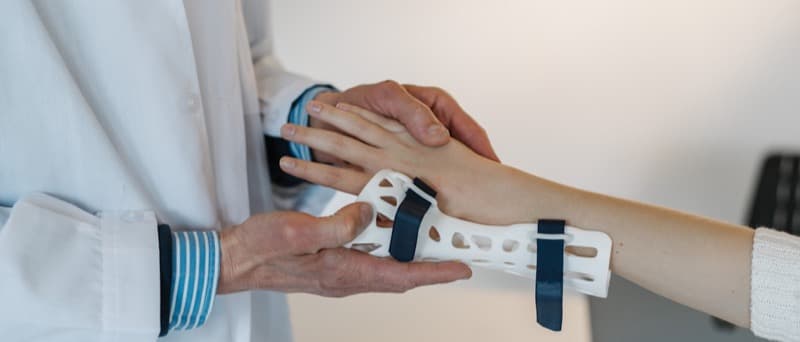
Night splinting is the intervention with the strongest support. A splint that holds the wrist in a neutral position stops you curling it under you in your sleep, which is exactly when pressure in the tunnel peaks. Wear it every night for at least six weeks before judging it. Off-the-shelf splints are inexpensive and fine; the important part is that it holds the wrist straight rather than bent back.
Activity modification means finding and reducing the specific positions provoking you. Small changes to grip size, tool choice, wrist angle and how long you hold a position often matter more than stopping an activity altogether.
Nerve and tendon gliding exercises encourage the median nerve to move freely rather than tether. They are gentle, done to the edge of a tingle and no further, and best learnt with guidance so you are not aggravating things.
Strength and load management for the forearm, plus addressing shoulder and neck contributions, helps more than people expect.
Where conservative care is not enough, a corticosteroid injection can provide meaningful relief, and surgical release of the tunnel is a well-established procedure with good outcomes for those who need it. NICE guidance broadly supports trying conservative measures first for milder cases and moving on promptly when they fail.
What you can start this week
Wear a neutral wrist splint at night. Take a hand break every twenty minutes of sustained gripping. Avoid sleeping with your wrist curled or your hand tucked under your pillow. Keep the wrist warm, which matters more as Merseyside heads into a damp October. And do not test the hand repeatedly through the day to see if it is still numb; it is, and the checking only winds up your attention on it.
When to seek help sooner
Get assessed promptly rather than waiting if numbness has become constant rather than intermittent, if the muscle pad at the base of your thumb looks flatter than the other side, if you are dropping things or losing thumb strength, or if symptoms have not improved after six to eight weeks of splinting. Persistent compression can cause lasting nerve changes, and that is the one part of this condition where delay genuinely costs you.
Seek same-day medical advice if symptoms began suddenly after a wrist injury, or if you have rapidly progressing weakness or numbness in the whole arm.
If your hand is waking you at night, let's find out what is driving it and deal with it properly. Book at /portal/book or call me on +44 7553 370300. I offer home visit physiotherapy across Liverpool and Merseyside at £90, and online consultations UK-wide at £60, evenings Monday to Friday, plus Saturday and Sunday daytimes, with no GP referral needed.