Gym Beginner? The Injuries That End Resolutions
5 min read
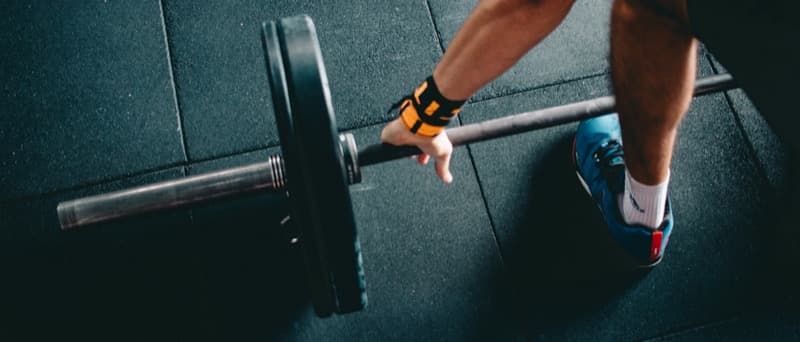
September has a way of feeling like a second January. The kids are back at school, the holidays are over, and gyms across Liverpool fill up with people determined to finally get fit before Christmas. I am genuinely delighted every time someone starts training — it is one of the best things you can do for your long-term health. But every autumn I also see a predictable wave of gym beginner injuries walk (or limp) through the door, and most of them follow the same script. Here is what goes wrong, why, and how to make sure your resolution survives past November.
The injuries that end resolutions
After more than ten years treating sports injuries, I could almost write the September list in advance:
- Shoulder pain from pressing. Bench press, shoulder press and push-ups pile chest-and-shoulder volume onto joints that have spent years at a desk. The result is an irritated rotator cuff — pain reaching overhead, lying on that side, or fastening a seatbelt. More on this pattern on my shoulder injury page.
- Lower back strain from deadlifts and rows. Usually not the horror story people fear — most are muscular strains from lifting with a tired, rounded back — but they are painful enough to derail a routine for weeks.
- Knee pain from leg day. Squats, lunges and the leg press loaded up too fast leave the tendons around the kneecap grumbling on stairs and after sitting.
- Elbow and wrist tendinopathy. Gripping bars and dumbbells is a skill your tendons need time to adapt to; tennis and golfer's elbow are common in month two or three.
Why beginners get injured
Here is the crucial idea: your enthusiasm and your cardiovascular fitness improve much faster than your tendons, muscles and joints adapt. After a few weeks you feel ready to add more weight — but connective tissue strengthens over months, not days. That mismatch between what you feel capable of and what your tissues are conditioned for is where most gym beginner injuries live.
Three other factors stack the odds. Technique breaks down under fatigue, so the last reps of a hard set are where backs round and knees cave. Programmes borrowed from fitness influencers are usually written for people with years of training behind them. And beginners often skip the unglamorous parts — warm-ups, rest days and sleep — that make the training actually work.
How to train without getting hurt
None of this means lifting weights is dangerous — done sensibly, it is one of the safest and most protective activities there is. A few rules keep you on track:
- Start lighter than your ego wants. If you can do all your reps with two or three comfortably left in the tank, that is a good starting weight.
- Progress one variable at a time. Add a little weight or an extra set or an extra session — not all three in the same week.
- Learn technique before chasing load. Film your sets or ask a coach; the barbell lifts reward patience.
- Respect rest days. Muscle is built between sessions, not during them. Two or three sessions a week with rest between is ideal for beginners.
- Warm up specifically. A few lighter sets of the exercise you are about to do beats ten minutes of vague stretching.
Sore or injured? Learn the difference
Normal muscle soreness (DOMS) arrives a day or two after training, sits in the muscle belly on both sides, and fades within about seventy-two hours. That is adaptation, not damage. Be more suspicious of pain that is sharp during a lift, sits in or around a joint, is clearly one-sided, or lingers beyond a few days — that pattern is worth respecting. Stop the aggravating exercise, keep training what does not hurt, and get it assessed if it persists. And see a doctor urgently if you have severe pain after a sudden pop or giving-way, a joint that rapidly swells, or numbness and weakness in a limb.
Do not let a niggle become a full stop
The saddest version of this story is the person who quits entirely in October because of an injury that would have taken three weeks to sort in September. Early sports injury assessment usually means small adjustments — a tweak to technique, a temporary swap of exercises, a targeted strengthening plan — rather than stopping. Through my sports injury rehabilitation service I help new lifters across Liverpool and Merseyside keep training around a problem while it resolves, which is nearly always better than resting and hoping.
If a niggle from the gym is refusing to settle, do not wait for it to end your resolution. I offer home visits across Liverpool and Merseyside and online video consultations UK-wide, evenings Monday to Friday, plus Saturday and Sunday daytimes, no GP referral needed. Book at /portal/book or call +44 7443 357020 — and keep the resolution alive.